
 CH
 INQUIRY

Products
CNC Turning and Milling for High-Precision Metal Fabrication
Learn how CNC turning and milling supports high-precision metal fabrication, including the role of high precision CNC lathes, material selection, tolerance control, process flow, and supplier evaluation for industrial metal parts.
Classification:
Product Description
CNC Turning and Milling for High-Precision Metal Fabrication
In modern manufacturing, buyers often face the same challenge: how to produce complex metal parts with tight tolerances, stable quality, and reasonable lead times. For industries such as automotive, electronics, medical devices, aerospace components, industrial equipment, and precision tooling, cnc turning and milling has become one of the most practical solutions for high-precision metal fabrication.
Unlike conventional machining, CNC technology uses computer-controlled motion, servo systems, cutting tools, and programmed tool paths to process metal parts with repeatable accuracy. When a factory combines a high precision cnc lathe with milling capability, it can complete multiple processes in fewer setups, reduce manual error, and improve dimensional consistency.
This article explains how cnc turning and milling supports high-precision metal fabrication, what technical factors affect machining quality, and how buyers can choose the right machining solution for their production needs.

What Is CNC Turning and Milling?
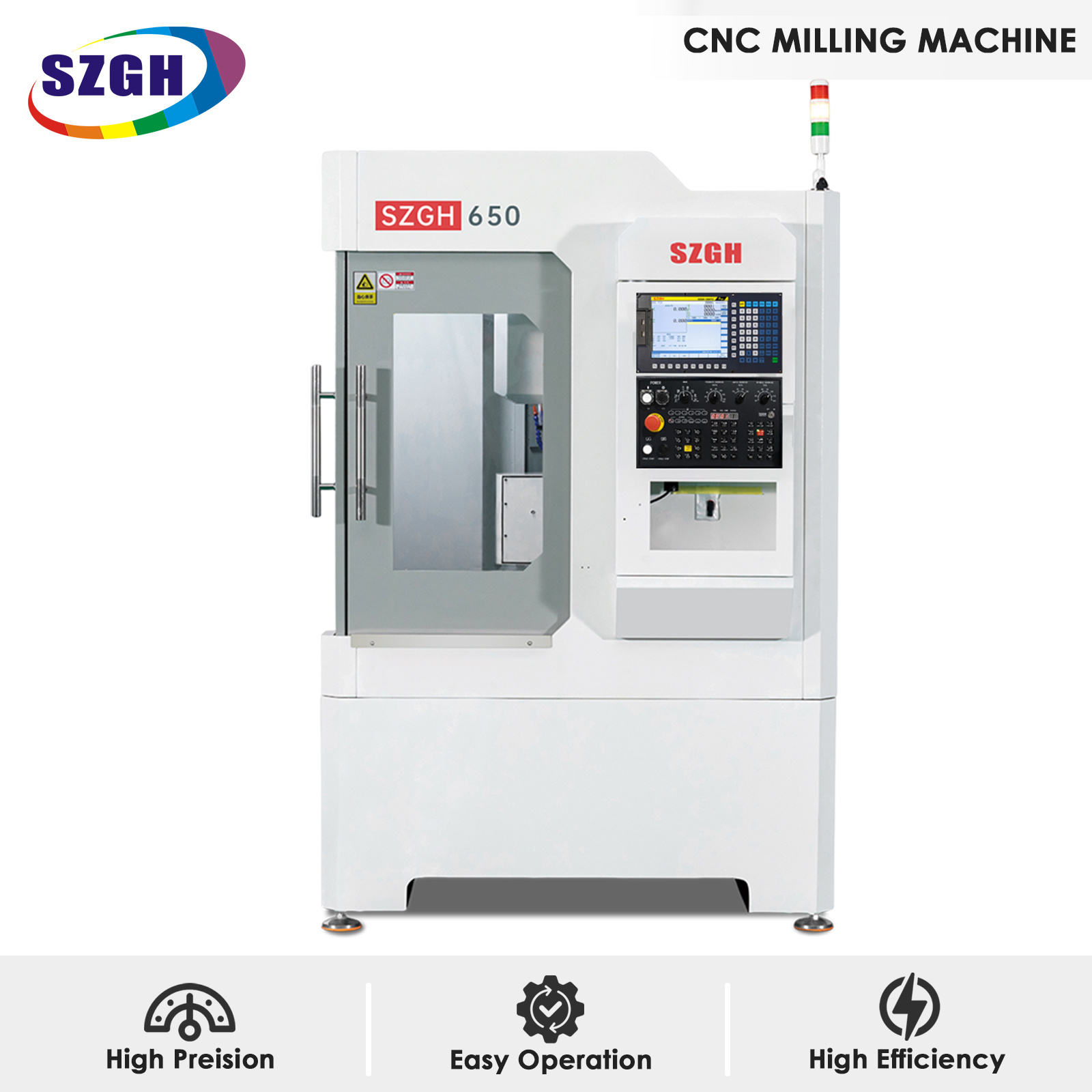
CNC turning and milling refers to the use of computer numerical control equipment to perform both rotational and linear cutting processes.
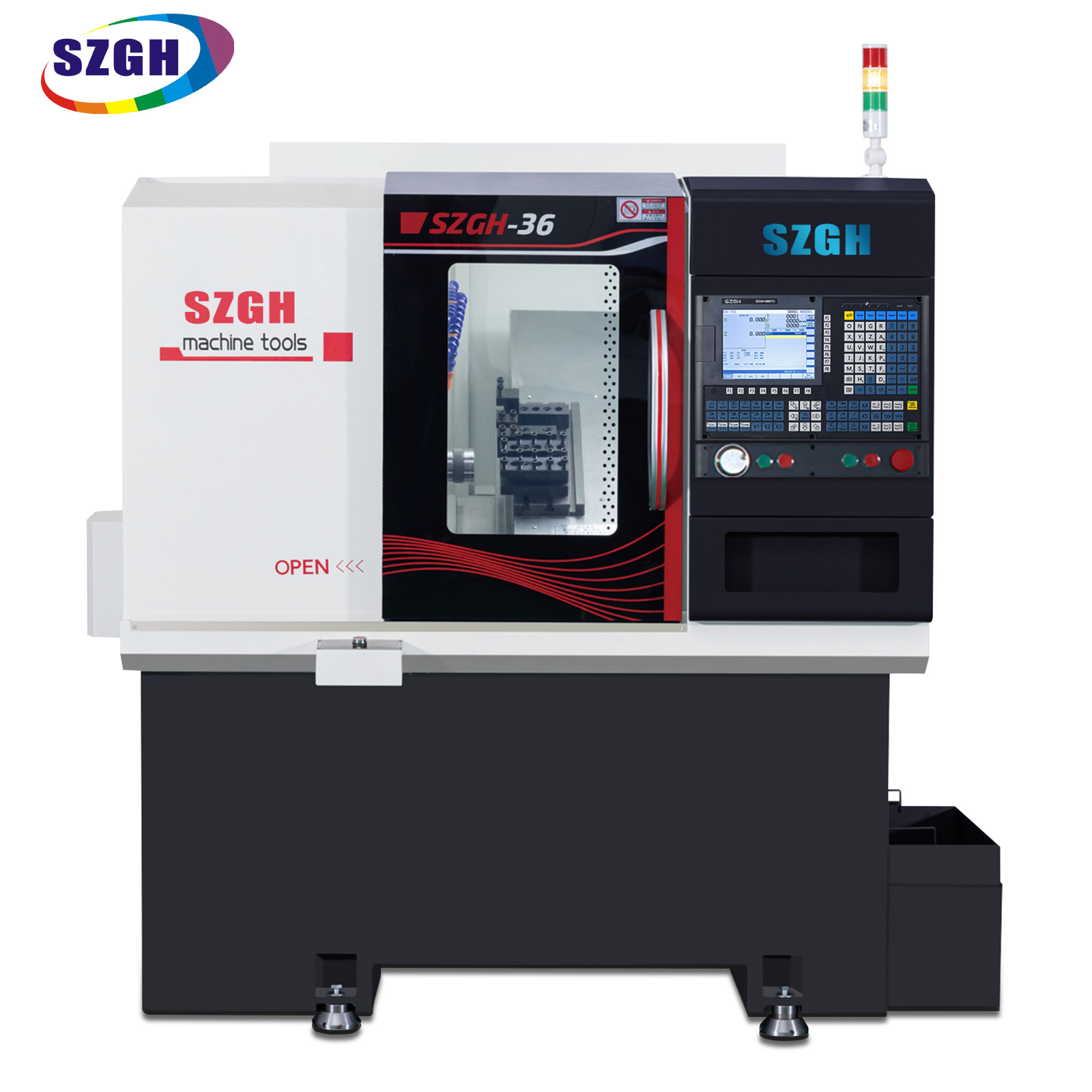
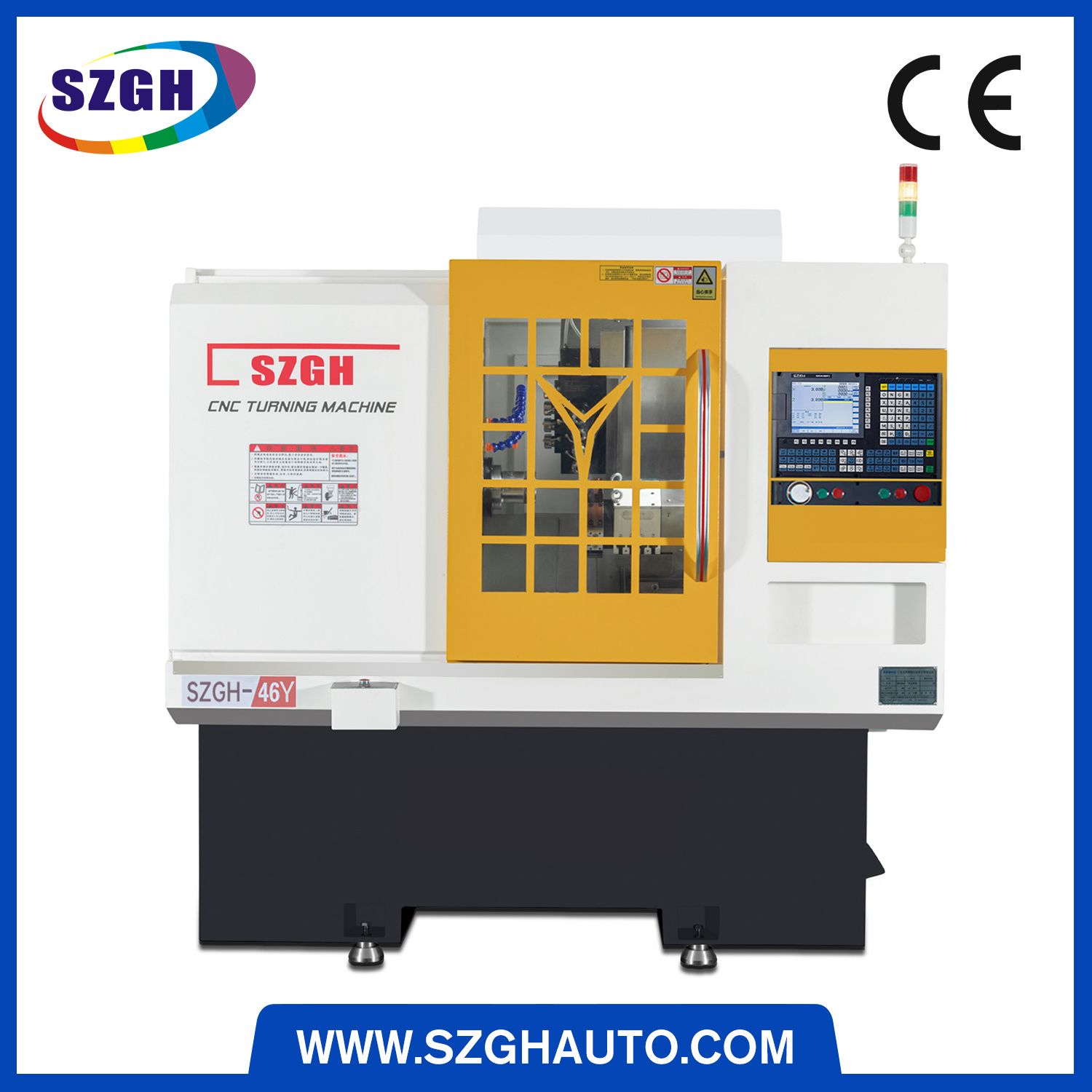
In CNC turning, the workpiece rotates while a cutting tool removes material. This process is suitable for cylindrical, conical, threaded, and round metal parts. Typical turned parts include shafts, bushings, pins, sleeves, connectors, fasteners, and precision fittings.
In CNC milling, the cutting tool rotates while the workpiece is fixed or moved along multiple axes. Milling is suitable for flat surfaces, slots, holes, pockets, contours, and complex 3D shapes.
When these two processes are combined, manufacturers can machine parts with both round and milled features in a single production flow.

Why CNC Turning and Milling Matters in Precision Manufacturing
For high-precision metal fabrication, every setup introduces potential error. If a part must be moved from one machine to another several times, alignment deviation may affect concentricity, parallelism, perpendicularity, and surface finish.
CNC turning and milling helps reduce these risks by improving process integration.
Main benefits include:
- Fewer clamping and repositioning steps
- Better dimensional repeatability
- Shorter production cycle time
- Improved surface consistency
- Lower scrap rate
- Easier production of complex geometries
- Better control of tolerance-critical features
For example, a stainless steel shaft with threaded ends, cross holes, grooves, and milled flats may require several processes on traditional equipment. With cnc turning and milling, the same part can often be completed more efficiently with better feature alignment.
Role of a High Precision CNC Lathe
A high precision cnc lathe is essential for producing round metal parts with tight tolerance requirements. It controls spindle rotation, tool feed, cutting depth, and tool path through programmed commands.
Important technical features of a high precision cnc lathe include:
Technical Factor | Why It Matters |
Spindle accuracy | Affects roundness, concentricity, and surface finish |
Servo control | Determines positioning accuracy and motion stability |
Tool turret rigidity | Reduces vibration during cutting |
Guideway structure | Supports long-term machining stability |
Thermal control | Helps maintain tolerance during continuous operation |
CNC controller performance | Affects interpolation, compensation, and process reliability |
For parts used in automation equipment, hydraulic systems, motor assemblies, and precision instruments, small dimensional errors can affect assembly performance. A stable high precision cnc lathe helps factories maintain consistent part quality across batches.
Materials Used in High-Precision Metal Fabrication
CNC turning and milling can process many industrial metals. The choice of material affects cutting speed, tool life, surface quality, and machining cost.
Common materials include:
- Aluminum alloy: lightweight, easy to machine, suitable for housings, brackets, and heat sinks
- Stainless steel: corrosion-resistant, used for medical, food, chemical, and industrial parts
- Carbon steel: strong and cost-effective for shafts, gears, and structural components
- Brass and copper: good conductivity, suitable for electrical and fluid components
- Titanium alloy: high strength-to-weight ratio, used in aerospace and medical applications
- Tool steel: used for molds, fixtures, dies, and wear-resistant parts
Each material requires proper cutting parameters, coolant strategy, tool coating, and chip control. For high-precision metal fabrication, machining strategy must match the material’s hardness, thermal behavior, and surface finish requirement.
Key Tolerances to Consider
Before starting a cnc turning and milling project, buyers should define the required tolerance level clearly. Overly tight tolerances increase machining cost, while unclear tolerances may cause assembly issues.
Common precision requirements include:
Requirement | Typical Application |
Diameter tolerance | Shafts, pins, bushings, sleeves |
Flatness | Mounting plates, sealing surfaces |
Concentricity | Rotating parts, bearing seats |
Parallelism | Guide blocks, fixtures, precision brackets |
Thread accuracy | Connectors, fasteners, hydraulic fittings |
Surface roughness | Sliding surfaces, sealing parts, visible components |
For critical parts, engineering drawings should specify dimensional tolerances, geometric tolerances, surface roughness, material grade, heat treatment, and inspection standards.
CNC Turning and Milling Process Flow
A reliable high-precision metal fabrication process usually follows several controlled steps.
1. Drawing and Requirement Review
The manufacturer reviews 2D drawings, 3D models, material requirements, tolerance notes, surface treatment, and production quantity. This step helps identify difficult features and cost-sensitive areas.
2. Material Selection and Preparation
Raw material is selected according to strength, corrosion resistance, weight, conductivity, and application environment. Material certificates may be required for industrial or regulated applications.
3. CAM Programming
Engineers create tool paths for turning, milling, drilling, threading, grooving, and finishing. Correct programming helps avoid tool interference, vibration, and unnecessary machining time.
4. Machine Setup
The operator installs fixtures, cutting tools, collets, chucks, and workholding devices. For a high precision cnc lathe, clamping force and alignment must be controlled carefully.
5. Trial Machining
A first article is produced and inspected. If needed, tool offsets, cutting parameters, or compensation values are adjusted.
6. Batch Production
After approval, batch production begins. Stable cnc turning and milling processes help maintain consistent quality across multiple parts.
7. Inspection and Surface Treatment
Finished parts are checked using calipers, micrometers, height gauges, CMM, thread gauges, or surface roughness testers. Additional treatments may include anodizing, plating, passivation, black oxide, polishing, or heat treatment.
How to Choose a CNC Machining Partner
For buyers, choosing the right supplier is as important as choosing the right machine. A capable supplier should understand both machining technology and the final application of the part.
Key points to check:
- Experience with cnc turning and milling
- Availability of high precision cnc lathe equipment
- Ability to process the required metal material
- Tolerance control and inspection capability
- Support for prototypes and batch production
- Clear communication on drawings and technical requirements
- Stable lead time and quality documentation
- Surface treatment and assembly support if needed
For industrial equipment procurement, it is useful to ask suppliers for sample parts, machine lists, inspection reports, and case experience in similar applications.
Practical Example: Precision Shaft With Milled Features
Consider a motor shaft used in an automation system. The part may require tight diameter tolerance for bearing assembly, threaded ends for locking components, keyways for torque transmission, and flat surfaces for sensor positioning.
If produced with separate turning and milling operations, the part may need multiple clamping steps. Each setup increases the risk of alignment deviation. With cnc turning and milling, the shaft can be turned, grooved, threaded, drilled, and milled with better process continuity.
The result is improved concentricity, more stable assembly performance, and reduced production time.
Conclusion
CNC turning and milling is a practical and reliable method for high-precision metal fabrication. By combining turning accuracy with milling flexibility, manufacturers can produce complex metal parts with tighter tolerances, better repeatability, and shorter lead times.
For factories, automation engineers, equipment buyers, and distributors, the key is to define part requirements clearly and work with a supplier that has suitable CNC equipment, experienced programming engineers, and strong inspection capability.


Follow us


Fax:+86-755-61885186


what app&We chat ID: +86-18098966732

SZGH group address: Floor 3, Building 5, South Digital Innovation Industrial Base, No. 80, Puxia Road, Liuyue Community, Henggang Street, Longgang District, Shenzhen City, Guangdong Province, China
