
 CH
 INQUIRY

Products
How to Choose a CNC Controller for Industrial Automation Projects
Classification:
Product Description
How to Choose a CNC Controller for Industrial Automation Projects
For factories upgrading machine tools, improving production stability, or building automated equipment, choosing the right CNC controller is one of the most important technical decisions. A CNC controller directly affects machining accuracy, motion response, operator efficiency, maintenance cost, and the long-term scalability of the production line.
Many factory owners and equipment buyers focus first on machine structure, spindle power, or servo motor size. These factors matter, but the CNC controller is the central control layer that connects programming, interpolation, servo drive response, I/O signals, tool management, and safety logic. If the controller is mismatched, even a strong mechanical system may suffer from unstable machining, poor surface finish, slow cycle time, or difficult troubleshooting.
This guide explains how to evaluate a CNC controller for industrial automation projects, especially for machine tool retrofits, CNC milling, turning, engraving, grinding, and custom industrial automation solutions.

What Is a CNC Controller?
A CNC controller is the control system that reads machining instructions, processes motion commands, and coordinates motors, drives, spindle systems, sensors, and auxiliary devices. In a typical CNC machine, the controller receives G-code or machining programs and converts them into precise axis movement.
A complete industrial CNC control system usually includes:
- CNC control panel or HMI
- Motion control board or embedded control unit
- Servo drives and servo motors
- Spindle drive or inverter
- I/O module for sensors, switches, relays, and safety devices
- MPG handwheel, tool setting device, and limit switches
- Communication interfaces such as Ethernet, USB, RS485, or fieldbus options
For automation engineers, the CNC controller is not just a display screen. It is the core system that determines how smoothly the machine executes motion and how easily it integrates with external equipment or robotic arm automation.

Key Factors When Selecting a CNC Controller
1. Match the Controller to the Machine Type
Different CNC machines require different control logic. A controller designed for a simple 2-axis lathe may not be suitable for a 4-axis milling machine or a multi-axis engraving system.
Machine Type | Typical Axis Requirement | Key Controller Focus | Recommended Solutions |
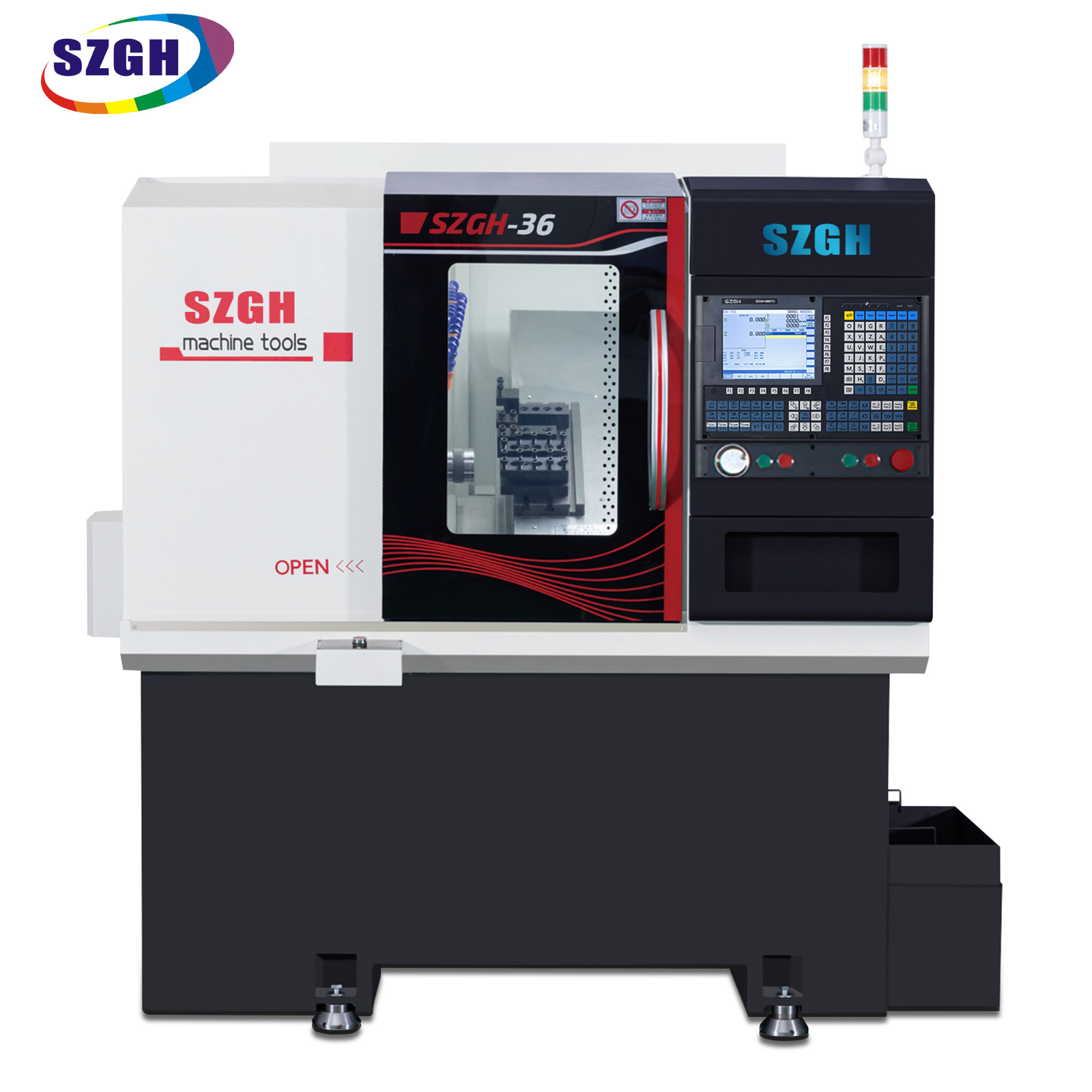
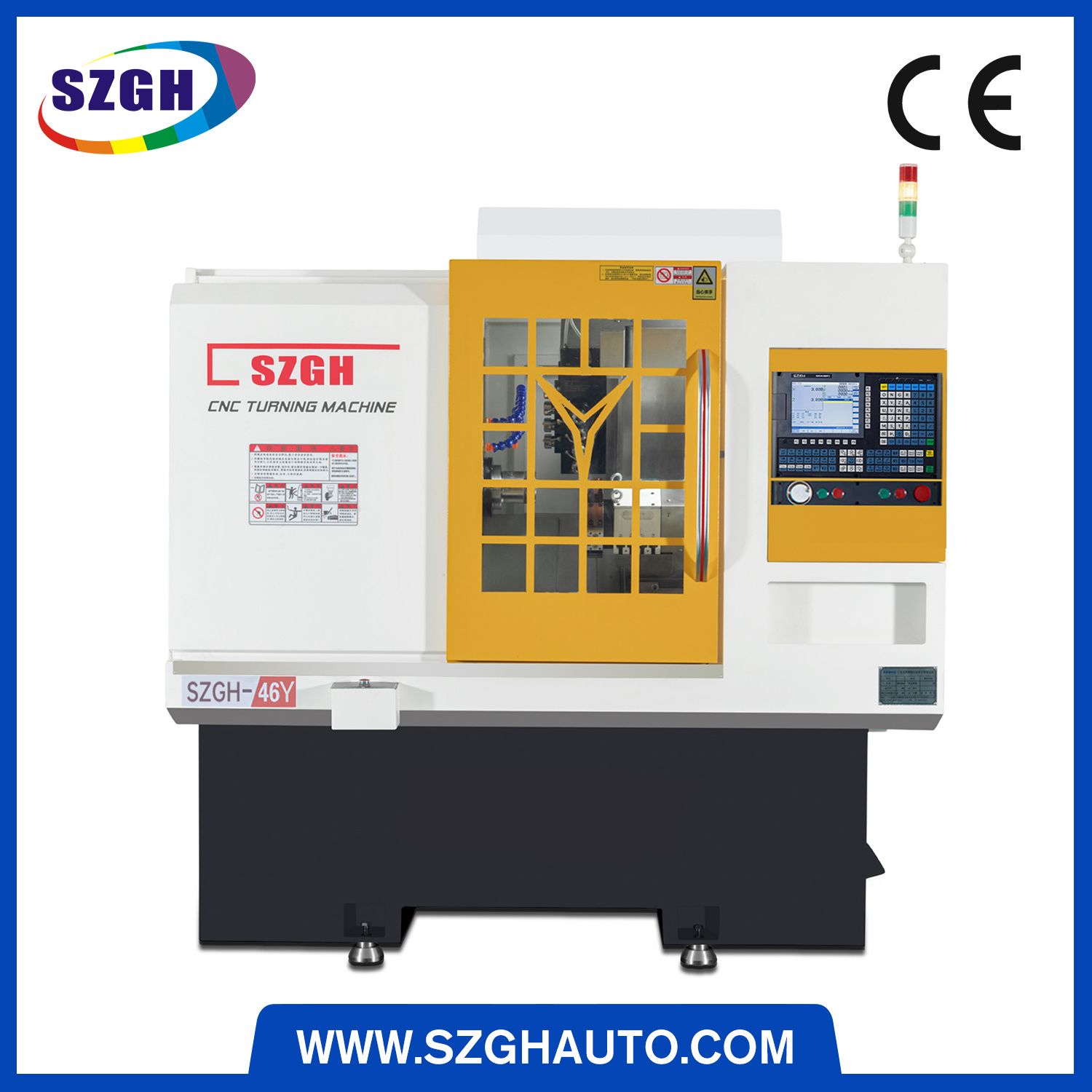
CNC Lathe | 2–3 axes | Threading, spindle synchronization, tool post control | |
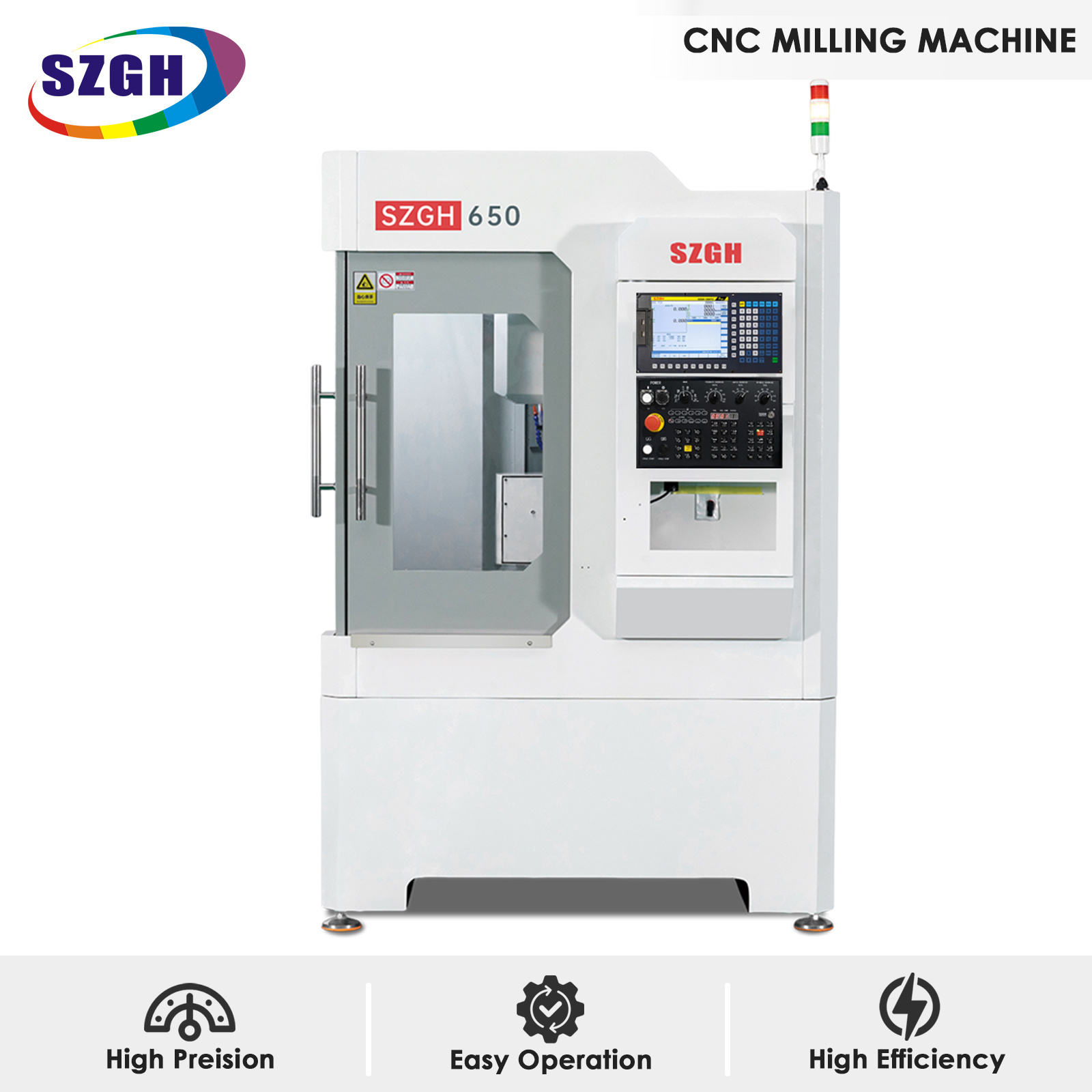
CNC Milling Machine | 3–4 axes | Interpolation accuracy, tool path smoothness, tool change logic | |
CNC Router / Engraving | 3–5 axes | High-speed motion, surface quality, file compatibility | High-Speed Multi-Axis Controller |
Grinding Machine | 2–4 axes | Feed precision, repeatability, process stability | Specialized Feed Control Systems |
Custom Automation | Depends on process | I/O expansion, PLC logic, communication flexibility | Customized Integrated Controllers |
Before purchasing a CNC controller, define the machine structure, number of axes, spindle type, tooling method, and required auxiliary functions. This prevents under-specification and avoids paying for unused features.
2. Check Axis Control Capability
Axis capacity is one of the first technical parameters to confirm. A CNC controller for machine tools should support the current axis count and leave room for future expansion if the equipment may be upgraded.
Important checks include:
- Maximum supported axis number
- Linear and circular interpolation capability
- Support for rotary axis or 4th axis machining
- Servo or stepper motor compatibility
- Pulse output frequency or bus communication capacity
- Backlash compensation and pitch error compensation
- Homing, limit, and soft limit functions
For high-speed or high-precision applications, pulse frequency and interpolation performance are especially important. If the controller cannot output commands fast enough, the machine may lose accuracy during small-segment machining or high-feed contouring.
3. Confirm Servo Motor and Drive Compatibility
The relationship between the servo motor and CNC controller directly affects motion quality. A complete CNC motion control package should perfectly align the controller, servo drive, motor power, encoder feedback, and mechanical load.
When evaluating compatibility, check:
- Control mode: pulse, analog, EtherCAT, CANopen, or other bus systems
- Servo drive input type
- Encoder resolution
- Motor power and torque margin
- Acceleration and deceleration requirements
- Alarm signal and enable signal wiring
- Parameter tuning support
For example, a CNC milling machine with a heavy table load requires stable servo response during acceleration and cutting. If the CNC controller and AC servo motor are not properly matched, the machine may show vibration, following error, or inconsistent surface finish.
Practical Selection Checklist
Before confirming a CNC controller order, factory buyers and engineers can use the following technical checklist.
Item | Recommended Review |
Axis Number | Current need plus possible future expansion |
Machine Type | Lathe, milling, router, grinding, or custom automation |
Program Format | G-code compatibility and file import method |
Servo Interface | Pulse or bus control matched with drive system |
Spindle Control | Analog speed control, encoder feedback, orientation if needed |
I/O Points | Enough inputs and outputs for sensors and actuators |
HMI Language | Suitable for operators and maintenance team |
Tool Management | Tool offset, tool change, tool compensation |
Safety | Emergency stop, limits, alarm handling |
Support | Wiring diagrams, parameter guidance, technical service |
This checklist is useful not only for new equipment but also for retrofit projects where an old controller is replaced to improve reliability.
Example: Upgrading a CNC Milling Machine
A factory may have an older CNC milling machine with a stable mechanical structure but outdated electronics. The original control system may have problems such as slow processing speed, limited program storage, poor screen readability, and difficult spare parts sourcing.
In this situation, replacing the CNC controller can extend the service life of the machine. A typical retrofit plan includes:
- Inspect the existing machine structure, axis travel, spindle motor, and tool system.
- Confirm whether the existing servo motors and drives can be reused or should be upgraded to modern servo drive kits.
- Select a Milling CNC Controller that supports the required axis number and machining functions.
- Prepare wiring diagrams for servo enable, pulse command, alarm feedback, spindle control, and I/O.
- Install the control panel, connect signals, and configure parameters.
- Test homing, jog movement, spindle rotation, limit switches, and emergency stop.
- Run dry machining before cutting real parts.
- Fine-tune acceleration, backlash compensation, and tool offsets.
Compared with buying a new machine, this approach can reduce investment while improving control stability and operator experience. For small and medium factories, a controller retrofit is often a practical way to upgrade production capability.
Common Mistakes to Avoid
- Choosing Only by Price: A low-cost CNC controller may be attractive initially, but missing functions can increase wiring time, commissioning difficulty, and downtime. Compare total cost, including installation, training, maintenance, and future support.
- Ignoring I/O Requirements: Many projects fail during commissioning because the controller lacks input and output points. Sensors, limit switches, coolant pumps, lubrication systems, tool changers, clamping devices, and safety signals all require I/O planning.
- Overlooking Operator Usability: The controller interface should be clear for daily operators. A good HMI reduces training time and operating errors. Simple program loading, clear alarms, and easy offset adjustment are crucial for multi-shift factories.
- Not Planning Technical Support: Industrial automation projects require after-sales support. Wiring, parameter setting, servo tuning, and troubleshooting are part of the real project cost. Choose a supplier that provides detailed controller documentation, wiring diagrams, and responsive technical service.
How to Build a Reliable CNC Automation Solution
A CNC controller should be selected as part of a complete automation system, not as an isolated component. The best results come from matching the controller with the machine’s mechanical design, servo system, spindle, electrical cabinet, and operating process.
For new equipment manufacturers, standardizing the CNC controller platform can reduce production variation and simplify after-sales service. For factory users, choosing a controller with stable performance and accessible support can reduce downtime and improve production continuity.
A practical CNC automation solution should include:
- Correct controller model selection
- Suitable servo motor and drive configuration
- Clear electrical wiring design
- Complete safety circuit planning
- Operator training
- Parameter backup and maintenance procedures
- Spare parts and technical support plan
Conclusion
Choosing the right CNC controller is essential for machine accuracy, production efficiency, and long-term equipment reliability. Factory owners should evaluate machine type, axis requirements, servo compatibility, I/O capacity, spindle control, operator usability, and technical support before making a purchasing decision.
For automation engineers and equipment buyers, the best CNC controller is not simply the most expensive or the lowest-cost option. It is the controller that matches the machine structure, process requirements, and future production plan.
Need Help Choosing the Right CNC Controller?
Contact our technical team at SZGH Auto Contact Us to discuss a customized CNC automation solution for your machine tool project, or visit our Download Center to download product catalogs, wiring manuals, and technical specs for our CNC controllers, servo drives, and industrial automation components.


Follow us


Fax:+86-755-61885186


what app&We chat ID: +86-18098966732

SZGH group address: Floor 3, Building 5, South Digital Innovation Industrial Base, No. 80, Puxia Road, Liuyue Community, Henggang Street, Longgang District, Shenzhen City, Guangdong Province, China
